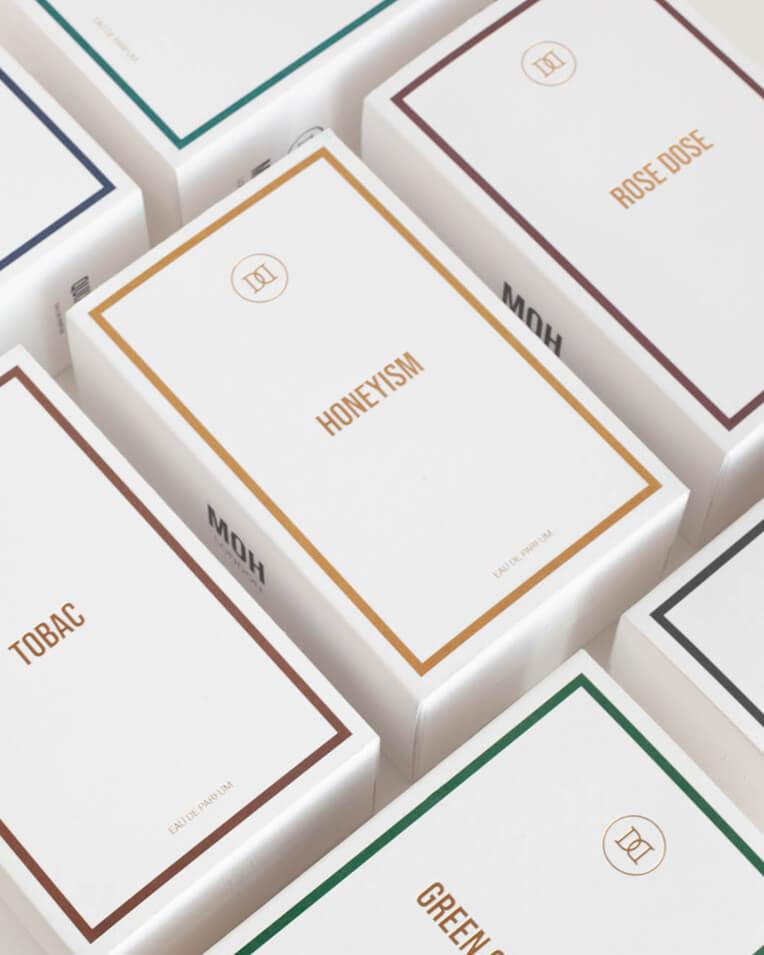
MOH

Shop

  • Engagement Rings
  • Wedding Rings
  • Fine Jewellery
  • Natural Diamonds
  • Lab-Grown Diamonds
  • Bespoke Design
  • Fragrance

Customer Care

  • My Account
  • Order Tracking
  • Delivery
  • Returns
  • Ring Size Guide
  • FAQs

Help

  • Book a Consultation
  • WhatsApp Us
  • Talk to an Expert
  • About Us
  • Diamond Guidance
  • Contact Us

MOH

Unit G.4 Ground Floor, Treasure House

19-21 Hatton Garden

London EC1N 8BA

+44 (0) 7586 775867care@mohlondon.com

Excellent · Google Reviews

  • Privacy Policy
  • Terms & Conditions
  • Cookie Policy
  • Terms of Sale

© 2026 MOH London Ltd.

MyOtherHalf
MOH London fragrance raw materials and ingredients
  1. Home
  2. Fragrance
  3. Raw Materials

Ingredient Guide

Raw Materials

The finest fragrances are built from exceptional ingredients. An A–Z guide to the key natural and synthetic raw materials that form the language of our perfumer.

  • Citrus & Herbal
  • Floral
  • Woods & Resins
  • Balsamic & Sweet
  • Animalic & Synthetic

Bright, fresh, and aromatic

Citrus & Herbal

Green Gravity fragrance — citrus and herbal notes
Bergamot
A citrus fruit grown primarily in Calabria, Italy. Cold-pressed from the rind, bergamot essential oil provides a bright, sparkling, slightly floral citrus opening — the signature top note of Eau de Cologne and many classic fragrances.
Clary Sage
An aromatic herb with a fresh, herbal, slightly earthy quality. Clary sage absolute adds a warm, honeyed, tea-like note and is the source of sclareol — the natural precursor to ambroxan.
Lavender
Perhaps the most versatile ingredient in perfumery — herbal, floral, and slightly camphoric. The backbone of fougere fragrances and an essential building block in masculine perfumery.
Neroli
Distilled from the flowers of the bitter orange tree — delicate, floral, and green with a slightly honeyed quality. One of the key ingredients in Eau de Cologne; adds freshness and elegance.
Angelica
Sweetly scented, woody plant with musky and earthy qualities. The roots and seeds of this aromatic flowering plant are used in perfumery — adding an unusual dry, herbal, and slightly peppery character.

The heart of perfumery

Floral

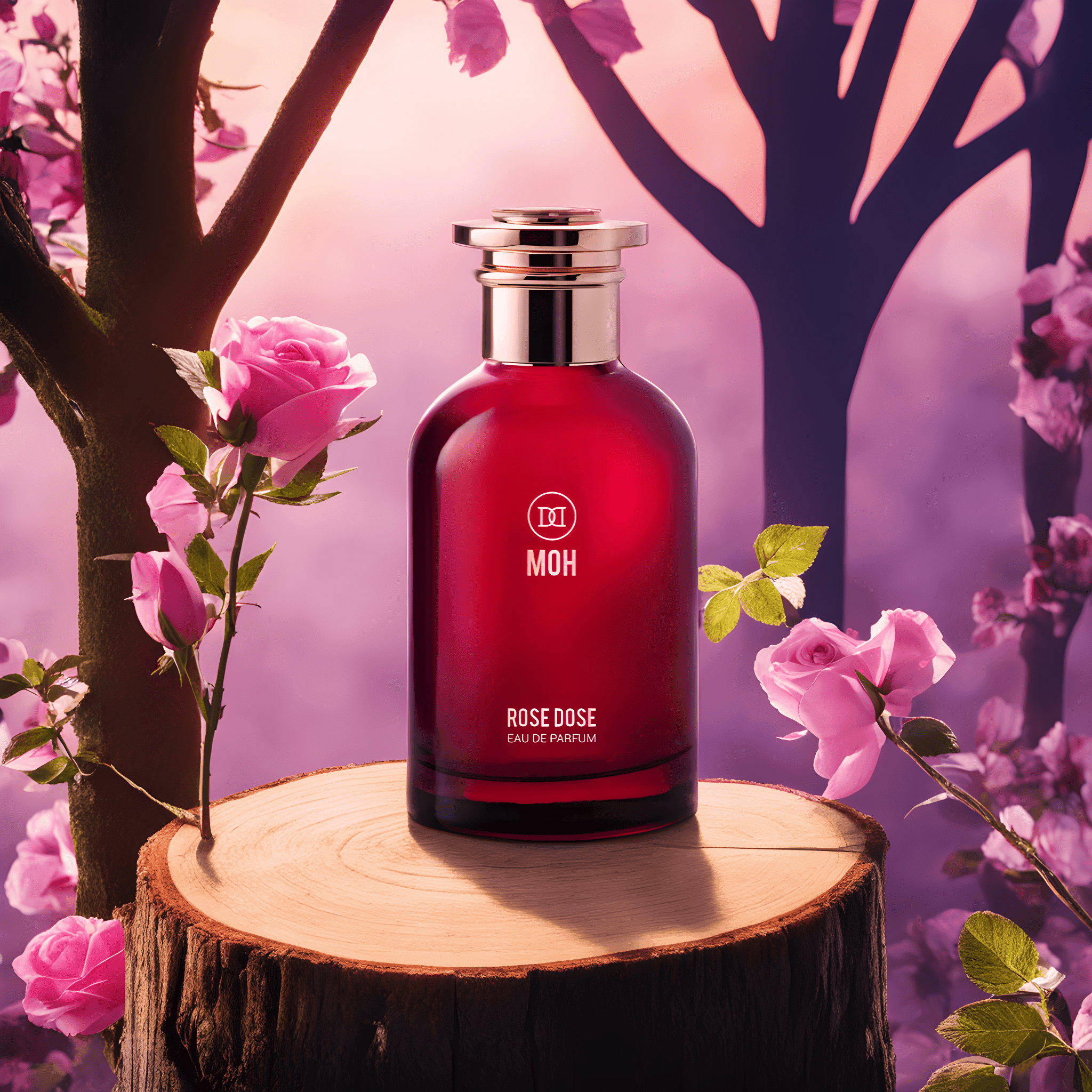
Rose Dose fragrance — floral notes
Rose
The queen of flowers in perfumery — rich, deep, slightly fruity and honeyed. Rose absolute (from Rosa damascena or centifolia) is one of the most expensive natural materials; rose oxide and geraniol are used as synthetic alternatives.
Jasmine
One of the most important floral ingredients — rich, warm, indolic, and intensely sweet. Jasmine absolute (from Jasminum grandiflorum or sambac) is prized for its complexity and sensuality.
Iris (Orris)
Derived from the iris root (orris root) after years of maceration — one of the most expensive natural ingredients in perfumery. Its scent is powdery, floral, woody, and slightly violet-like.
Ylang Ylang
Flowers of the Cananga odorata tree — intensely sweet, floral, and slightly rubbery with banana-like facets. Used in small quantities to add a heady tropical sweetness to floral and oriental compositions.

Depth, structure, and longevity

Woods & Resins

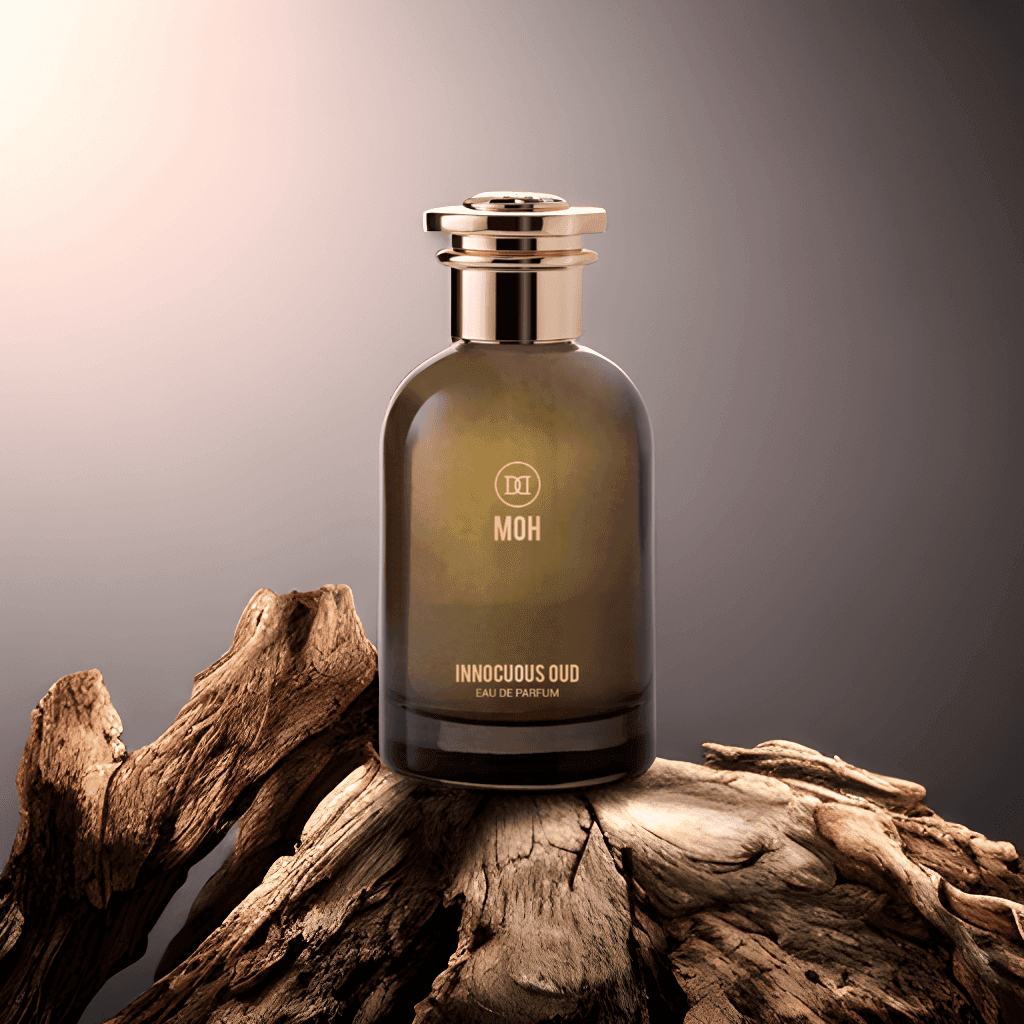
Innocuous Oud fragrance — woody and resinous notes
Cedarwood
Warm, dry, woody, and slightly pencil-shaving. Cedarwood essential oil — primarily from Atlas or Virginian cedar — is one of the most widely used base notes in perfumery, providing structure and longevity.
Sandalwood
Warm, creamy, milky, and softly woody. Mysore sandalwood from India is the most prized; Australian and Vanuatu sandalwood are widely used alternatives. Sandalwood is an exceptional skin scent and fixative.
Oud (Agarwood)
One of the rarest and most precious ingredients in perfumery — a dark, resinous wood produced by Aquilaria trees in response to infection. Its scent is complex: woody, smoky, animalic, and balsamic.
Vetiver
A grass native to India — its roots yield an earthy, smoky, woody, and slightly lemony essential oil. One of the most important base notes in perfumery; exceptional longevity on skin.
Patchouli
A tropical herb from the mint family — earthy, woody, dark, and slightly sweet. A powerful fixative and one of the most recognisable base notes in perfumery; widely used in oriental and chypre fragrances.
Frankincense (Olibanum)
A resin obtained from the Boswellia tree — piney, citrus-fresh, slightly spicy, and smoky. Used for millennia in religious ceremonies; in perfumery it adds a meditative, resinous depth.
Oakmoss
A lichen harvested from oak trees — earthy, forest-like, and deeply mossy. The defining ingredient of chypre fragrances. Its use is now restricted by IFRA due to sensitisation concerns.

Warmth and comfort

Balsamic & Sweet

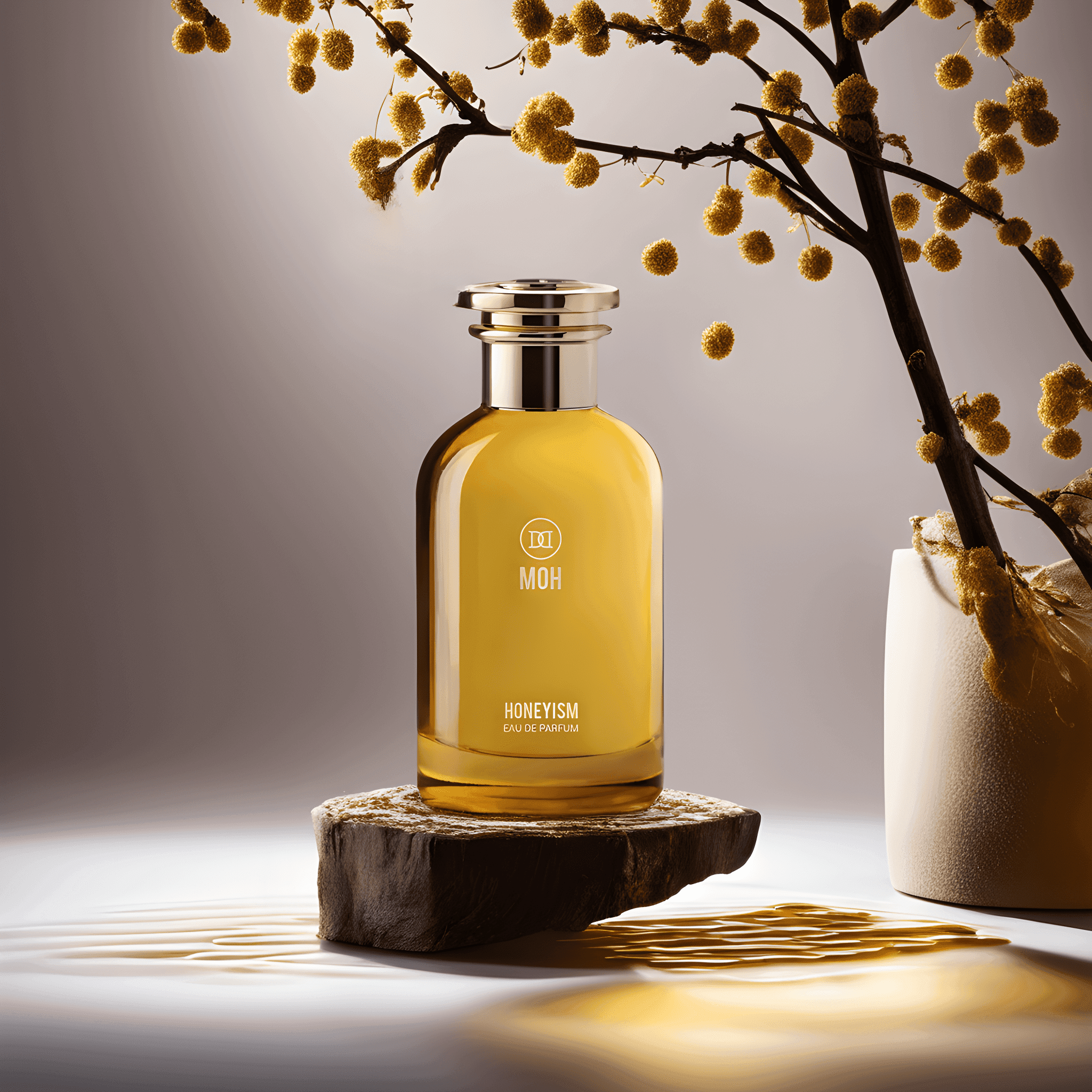
Honeyism fragrance — balsamic and sweet notes
Amber
Fossilised tree resin — warm, oriental, rich, and musky. Modern amber accords are often blended with citrus or florals to create depth and warmth in the base of a fragrance.
Benzoin
A sweet, balsamic resin from the Styrax tree — warm, vanilla-like, and softly smoky. Used as a fixative in the base of oriental and floral fragrances.
Labdanum
A resinous gum from the Cistus plant — warm, ambery, animalic, and slightly leathery. A key ingredient in chypre and oriental fragrances; often used as a natural fixative.
Vanilla
Derived from the orchid Vanilla planifolia — sweet, warm, balsamic, and comforting. Vanillin (the synthetic version) is one of the most used ingredients in modern perfumery, forming the heart of many oriental fragrances.
Tonka Bean
Seeds of the Dipteryx odorata tree — sweet, warm, almond-like, and slightly vanilla with a coumarin character. Widely used in oriental, gourmand, and fougere fragrances.

The modern perfumer's palette

Animalic & Synthetic

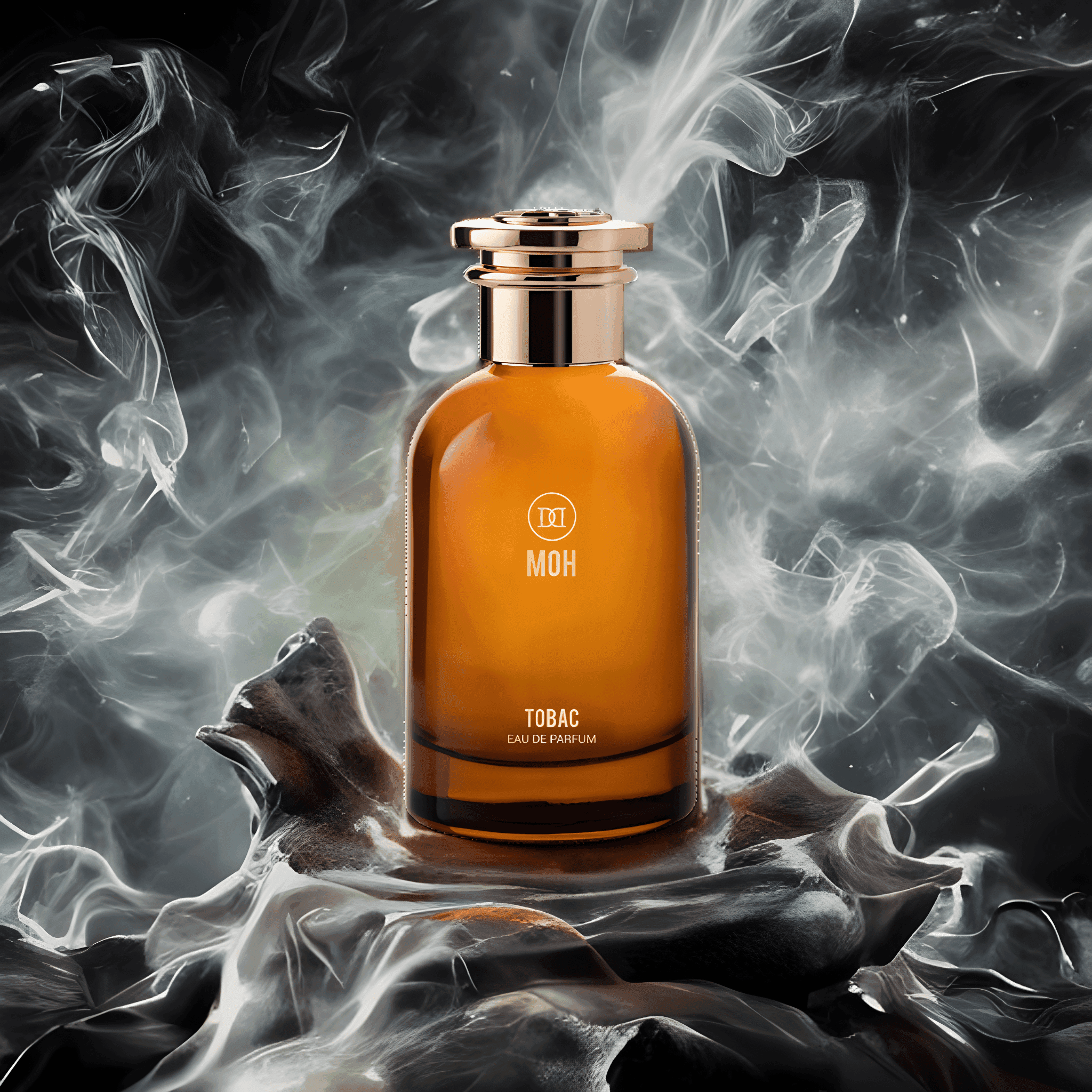
Tobac fragrance — animalic and synthetic notes
Musk
Originally from the musk deer gland — the ultimate fixative and sensual base note. All commercial musks today are synthetic (e.g. Galaxolide, Habanolide, Iso E Super), providing clean, warm, and long-lasting depth.
Ambergris
Also known as grey amber — a solid, waxy substance historically produced by sperm whales. Found floating on the ocean surface, it was prized for its ability to fix and elevate fragrances. Now replaced by synthetic alternatives for ethical reasons.
Ambroxan
A synthetic alternative to ambergris — derived from sclareol, a component of clary sage essential oil. Provides a warm, woody, amber-musk character with exceptional longevity on skin.
Castoreum
A secretion from beaver glands — leathery, smoky, and animalic. Traditionally used to add depth and an animalic quality to chypre and oriental fragrances. Now largely replaced by synthetic alternatives.
Civet
A secretion from the civet cat — intensely animalic and musky in concentration, but adding warmth and sensuality in small amounts. Now exclusively replaced by synthetic musks in modern perfumery.
Aldehyde
Chemical compounds that provide strong, recognisable scents. Aldehydes are among the most important molecules in perfumery — they have powerful aromatic values and are found throughout essential oils.
Aldehydic
A term used by perfumers to describe aromas characteristic of aldehydes — often described as fatty, soapy, or oily with a distinctive powdery quality.

Crafted with Care

Our Fragrances

Each MOH London fragrance is composed from the finest raw materials — explore the collection to discover your signature scent.
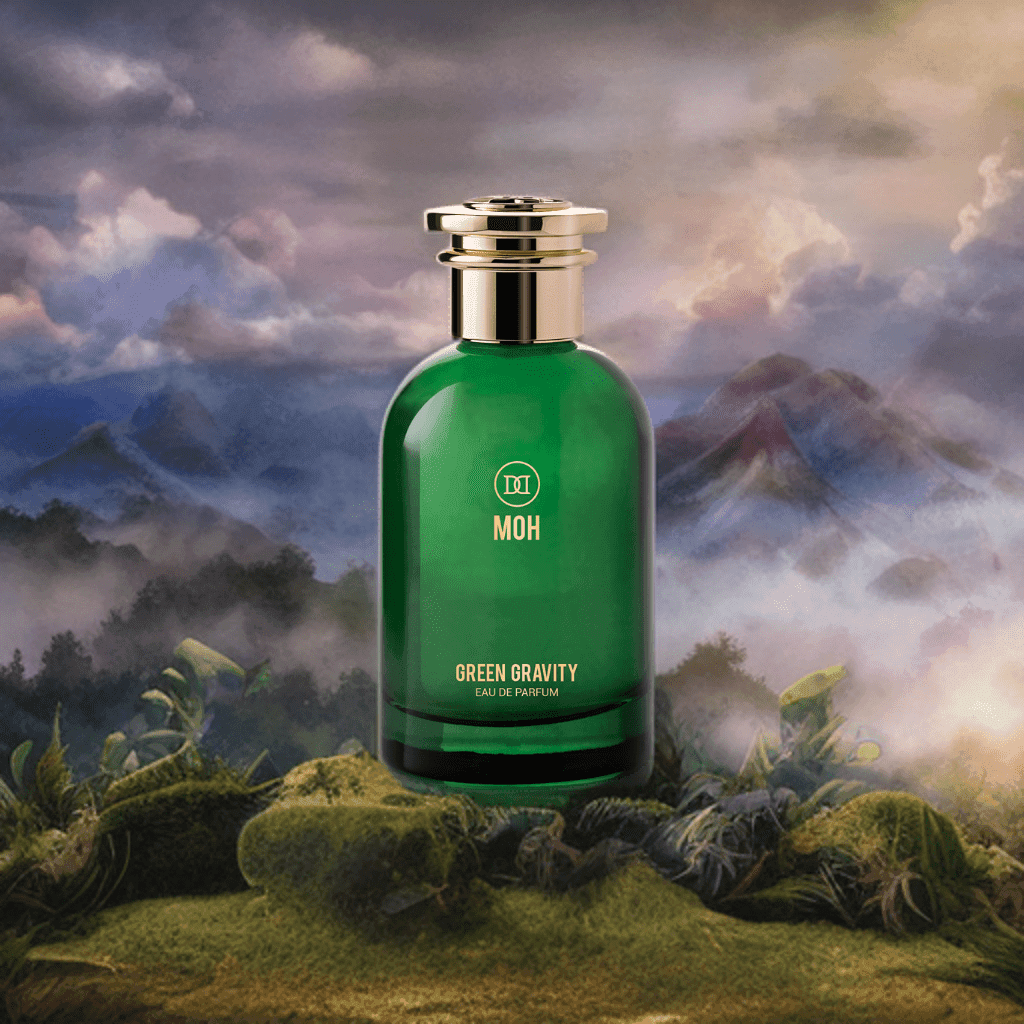
Green Gravity by MOH London
Green Gravity

Honeyism by MOH London

Honeyism

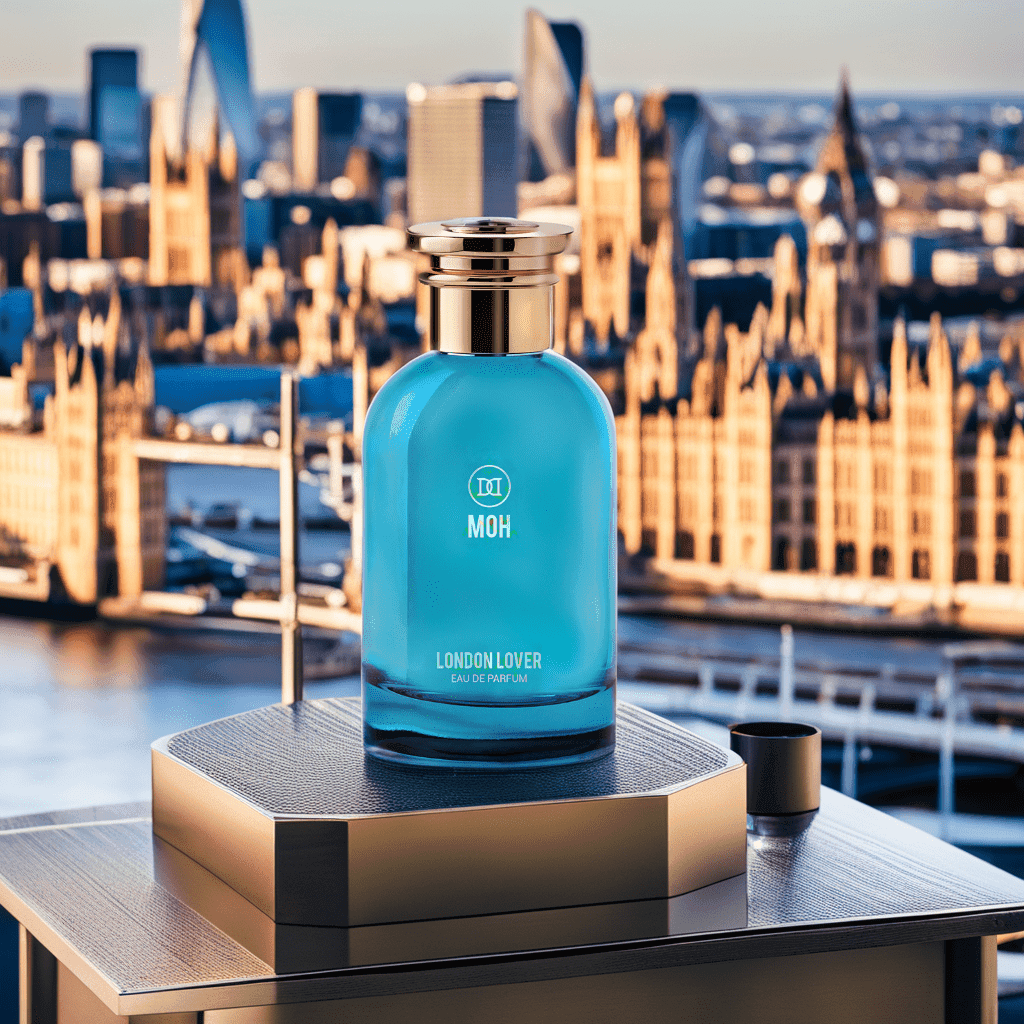
London Lover by MOH London

London Lover

Innocuous Oud by MOH London

Innocuous Oud

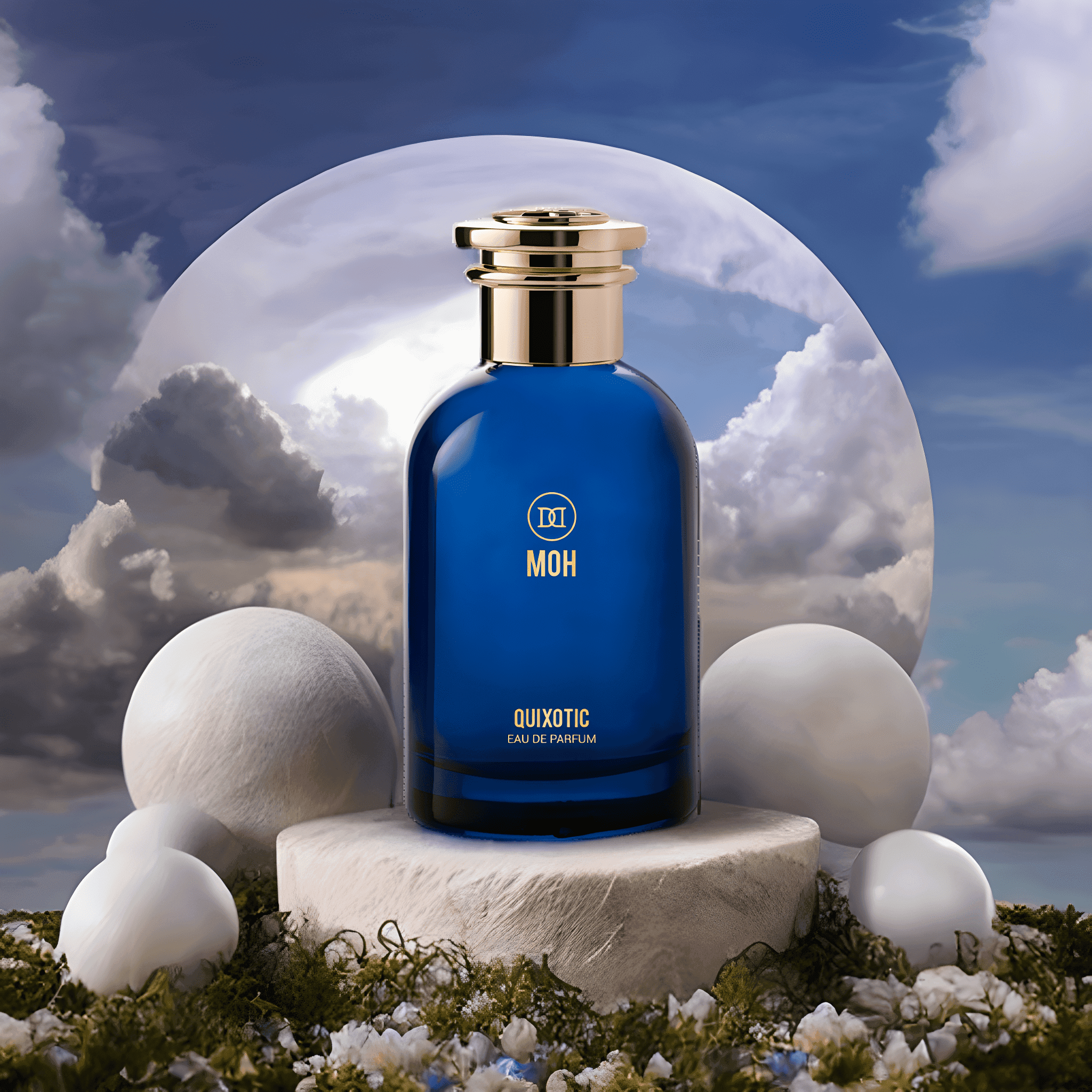
Quixotic by MOH London

Quixotic

Rose Dose by MOH London

Rose Dose

Tobac by MOH London

Tobac

Explore the Collection

From citrus top notes to rich base accords — discover how these ingredients come together in the MOH London fragrance collection.

Shop FragrancesPerfumery Glossary