Unique Diamond Cuts
Beyond the classic round brilliant — discover rare and distinctive diamond cuts that offer exceptional character and individuality.
While the round brilliant remains the world's most popular diamond shape, a growing number of discerning buyers are drawn to cuts that offer something altogether different. These unique and lesser-known diamond cuts possess their own optical signatures, histories, and personalities — each one a departure from convention and a statement of individual taste.
At MOH London, we celebrate these distinctive shapes. Whether you are seeking the romantic softness of a rose cut or the geometric precision of a hexagonal stone, understanding the characteristics of each cut is the first step toward finding the diamond that speaks to you.
The Rose Cut
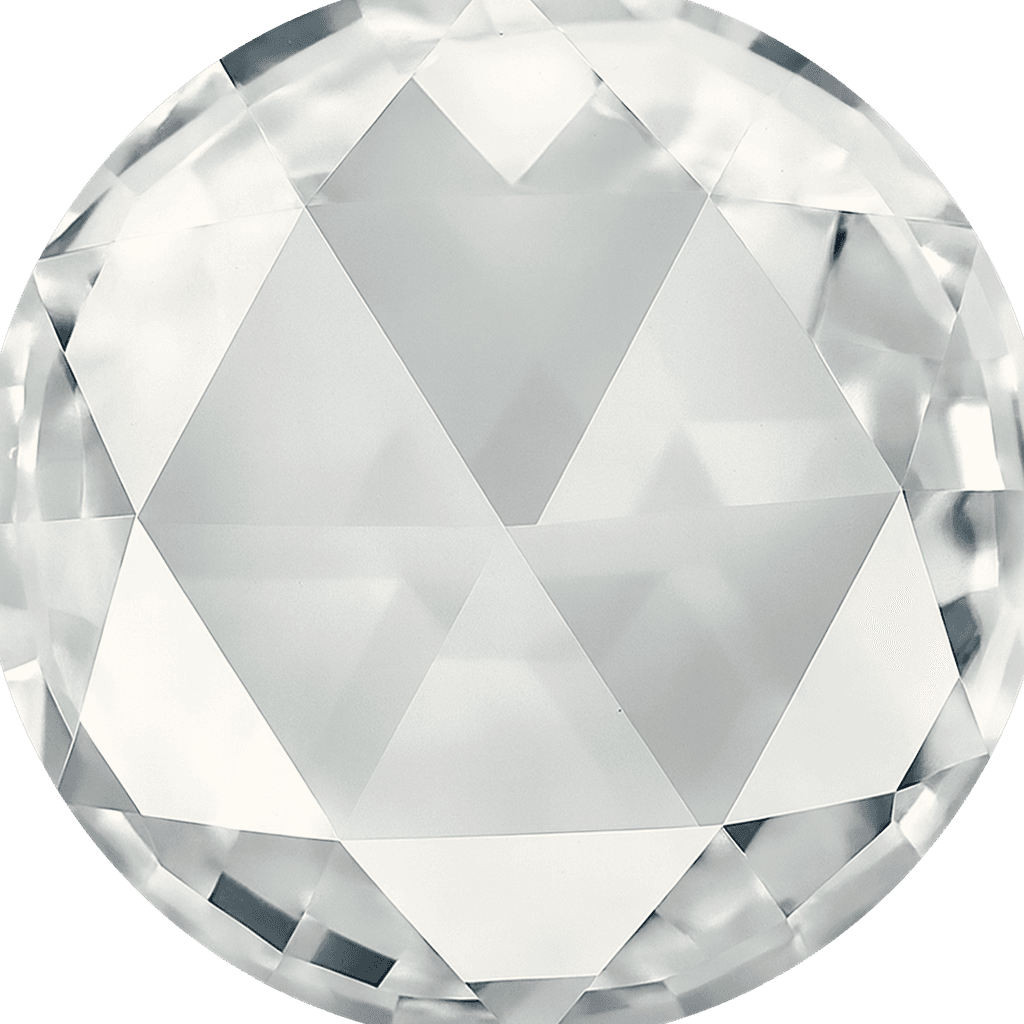
One of the oldest diamond cuts in existence, the rose cut dates back to the sixteenth century. It features a flat base and a domed top covered in triangular facets — typically between 3 and 24 — that resemble the petals of a rosebud when viewed from above.
Unlike the brilliant cut, the rose cut does not produce dramatic flashes of fire and scintillation. Instead, it emits a subtle, ethereal glow — a quiet luminosity that feels distinctly antique. Rose-cut diamonds are experiencing a significant renaissance among those who value understated elegance over conventional sparkle.
The flat base means a rose-cut diamond will appear considerably larger than a brilliant of the same carat weight, as no weight is hidden beneath the girdle. This makes the rose cut an excellent choice for those seeking visual presence without the premium of a heavier stone.
The Old Mine Cut
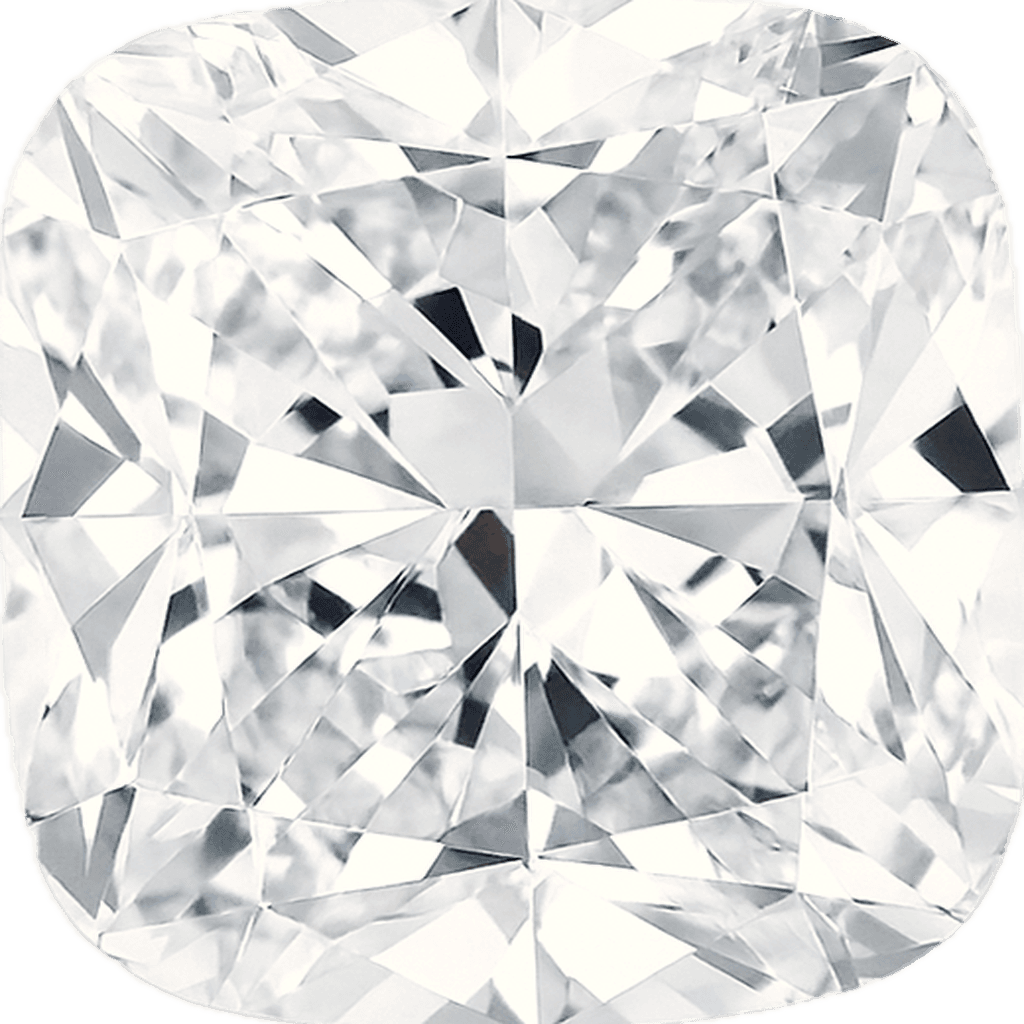
The predecessor of the modern round brilliant, the old mine cut was the dominant diamond shape from the early eighteenth century through the late nineteenth century. It features a cushion-shaped outline, a high crown, a small table, a large culet visible through the top of the stone, and 58 facets cut by hand.
What makes the old mine cut so captivating is its imperfection — each stone was shaped by candlelight, without the precision instruments available today. The result is a diamond with a warm, romantic glow and a subtle play of broad light and dark patterns that feels entirely different from the controlled brilliance of a modern cut.
Genuine antique old mine cuts are highly collectible. Modern jewellers now produce "old mine inspired" cuts that capture the character of the original while benefiting from contemporary cutting precision.
The Old European Cut
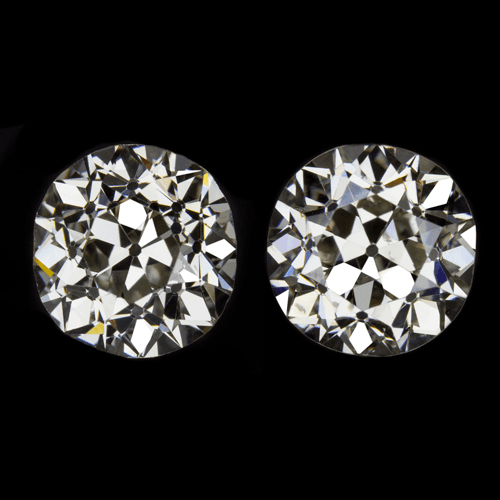
A transitional shape between the old mine cut and the modern round brilliant, the old European cut was prominent from the 1890s to the 1930s. It is round in outline with a smaller table, a higher crown, and a larger culet than today's brilliants.
The old European cut produces broad flashes of light and a distinctive "checkerboard" pattern when viewed face-up. It is the diamond most closely associated with the Art Deco and Edwardian jewellery periods. Collectors prize old European cuts for their warmth, character, and historical significance.
The Briolette
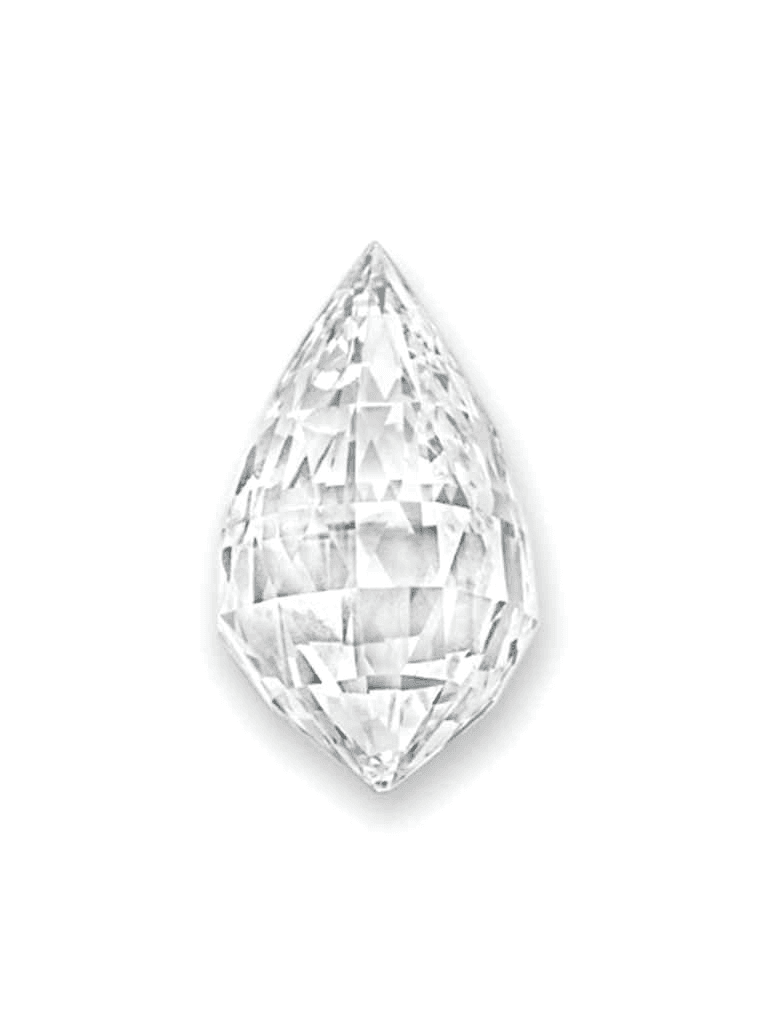
The briolette is a fully faceted, elongated teardrop with no table, no crown, and no pavilion — it is covered entirely in triangular facets. Light enters and exits from every angle, producing a mesmerising all-around sparkle.
Historically worn as pendants and earring drops by European royalty, briolettes are exceptionally difficult to cut and require rough diamonds of unusually high clarity, as the entire stone is transparent. They remain one of the rarest and most striking diamond shapes available.
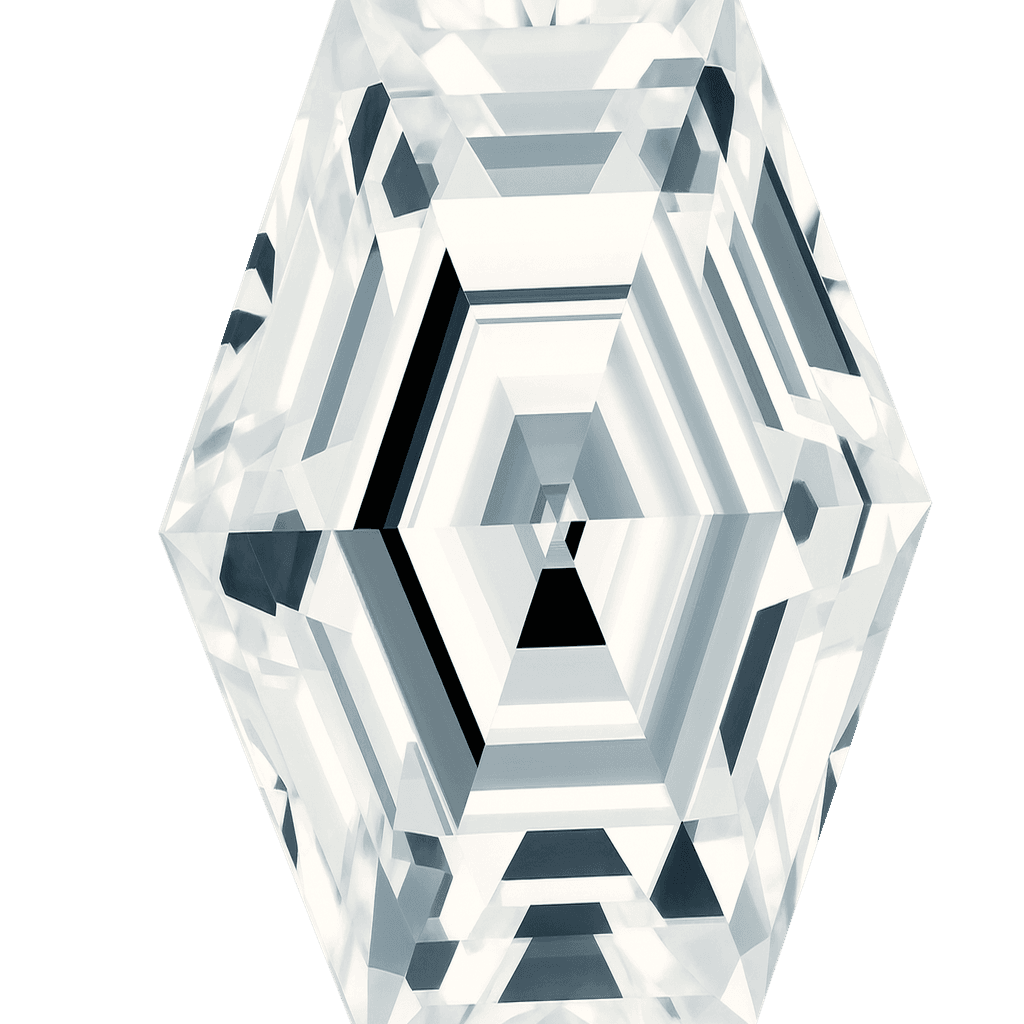
The Hexagonal Cut
A modern, geometric shape with six equal sides, the hexagonal cut appeals to those drawn to clean lines and architectural form. The cut can be executed as a step-cut (like an emerald with six sides) or a brilliant-cut (with triangular and kite-shaped facets).
Hexagonal diamonds are exceptionally rare in natural form, though some cutters produce them from rough that lends itself to the shape. The result is a diamond that feels contemporary, bold, and quietly unconventional — ideal for bespoke engagement rings that defy tradition.
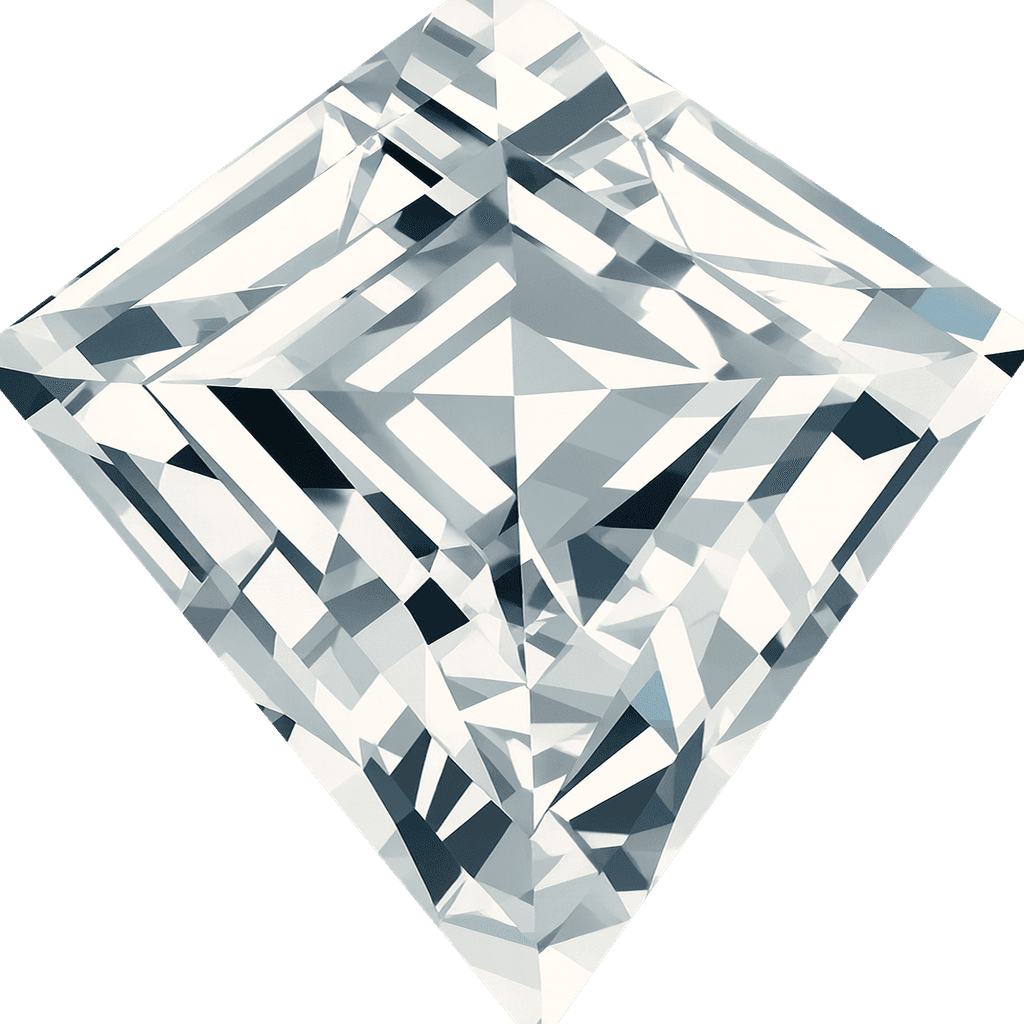
The Kite Cut
Named for its four-sided geometric shape — two longer sides and two shorter — the kite cut produces a distinctive elongated diamond that looks striking in east-west settings, stacking arrangements, and as side stones flanking a centre diamond.
The kite cut is a favourite among bespoke designers for its versatility and visual interest. It pairs beautifully with other geometric shapes such as trapezoids and baguettes to create modern, art-inspired compositions.
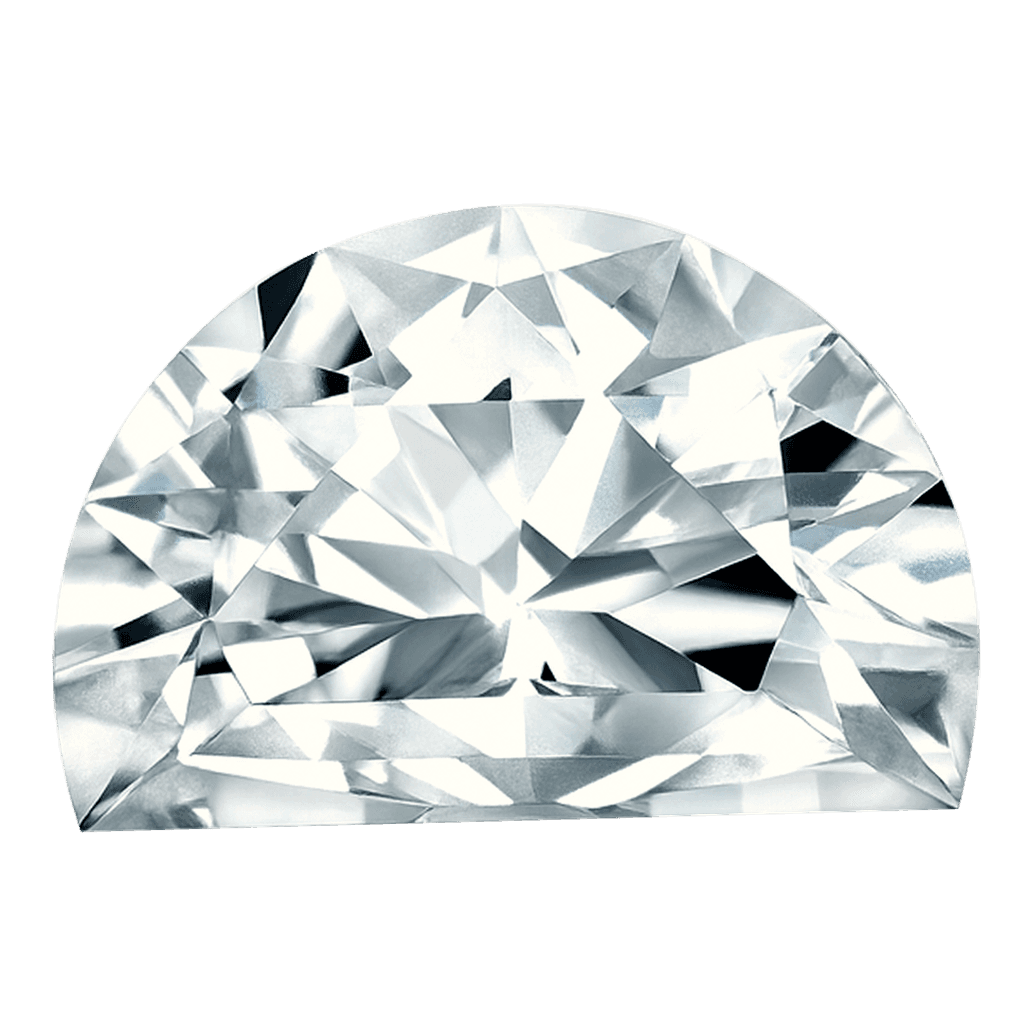
The Half-Moon Cut
A semicircular shape typically used as a side stone, the half-moon cut features a flat edge that sits flush against the centre stone and a curved outer edge. It combines elements of brilliant and step cutting to produce a balanced mix of fire and clarity.
Half-moon diamonds are almost exclusively commissioned as pairs, carefully matched for size, colour, and proportions. When paired with an emerald or cushion centre stone, they create a seamless, flowing silhouette that is both modern and refined.
Choosing a Unique Cut
Selecting a distinctive diamond cut is a deeply personal decision. These shapes do not follow the same grading conventions as round brilliants — there is no universally standardised cut grade for a rose cut or briolette. Instead, quality is assessed by examining symmetry, proportions, surface polish, and the overall beauty of the stone in person.
At MOH London, we source unique diamond cuts from specialist cutters who share our commitment to quality and craftsmanship. If a particular shape speaks to you, we invite you to visit our Hatton Garden studio where we can guide you through the available options and, if necessary, commission a stone cut to your exact specifications.
Put Your Knowledge Into Practice
Browse certified diamonds or engagement ring settings — apply what you've learned to find your perfect stone.