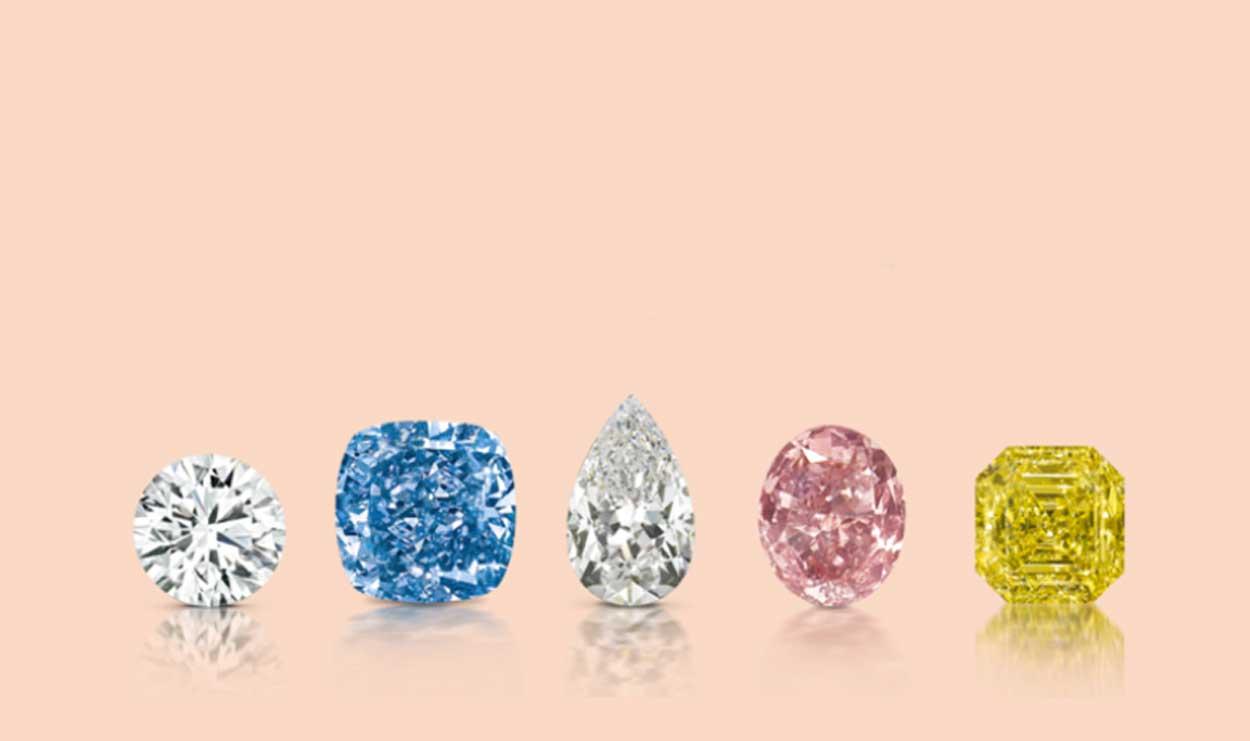
Diamond Colour Grading
Diamond colour grading chart from D (colourless) to Z (faint yellow). Compare grades side-by-side with real diamond photos. Learn which colour grade offers the best value for your engagement ring.
The finest diamonds in the world are transparent and completely colourless, with not the slightest trace of a hue. A diamond's colour is one of its most significant characteristics, forming one of the four primary measures of quality known as the 4Cs: cut, colour, clarity and carat weight.
Experts consider colour to be the second most important factor in the overall appearance of a diamond, after cut. This is because the human eye detects a diamond's sparkle before perceiving its colour. The purest white diamonds have a completely colourless light reflection — the standard tint of a flawless transparent stone.
You may encounter diamonds with a yellowish, pinkish or bluish hue. While these are sometimes sold as fancy-colour diamonds, the highest-quality white diamonds are transparent, and any tint in a white diamond is considered an imperfection. White diamonds are graded from D (colourless) to Z (light yellow) on a classification scale created by the Gemological Institute of America (GIA).
Diamond Colour Grading
Diamonds are ranked on a colour grade scale — a standardised measure of quality established by internationally recognised gemstone laboratories. A diamond's ranking deteriorates as the level of detectable colour tint increases. The scale follows a top-down grading system, with the most transparent, hue-free diamond ranked highest.
The most perfect diamond — one with completely colourless reflections — is graded D. The lowest grade, Z, is assigned to stones with noticeable yellowish or pale tint visible throughout the body. The colour grading scale therefore runs from D to Z in alphabetical order with descending transparency.
Grading is based on a comparison method: the test stone is set alongside a master set of reference diamonds, and a trained professional determines its rank on the scale. Diamond colour is evaluated by examining the body colour of the stone on a pure white background, face-down.
The Colour Scale
The GIA colour scale is the universal standard. In this system, D is the highest colour grade and Z is the lowest. The scale is divided into several ranges:
- —D — Categorically colourless and the rarest of all gem-quality diamonds
- —E–F — Colourless; extremely slight traces of colour detectable only by a trained gemologist under controlled conditions
- —G–H — Near-colourless; very faint tint perceptible only to an expert eye, with G being the most popular colour grade for its balance of beauty and value
- —I–J — Near-colourless with a slight warmth; the tint is minor and largely ignorable to the untrained eye
- —K–M — Faint colour visible to the naked eye, lighter than the N–Z range but still noticeable
- —N–Z — Noticeable tint, usually yellowish or pale, clearly visible without magnification
Individual Colour Grades
A D-colour diamond possesses the highest colour purity and is a symbol of perfection. It is considered extremely rare, with no recognisable shade of colour. To the naked eye, E and F colour diamonds can appear virtually identical to a D.
An E-colour diamond is visually stunning with very high colour purity. Even under 10x magnification, it will not show any tinge of yellow. An F-colour diamond contains a minute shade of colour that is undetectable by the untrained eye, while still being considered very rare with high colour purity.
G-colour diamonds are almost completely hue-free and represent the most popular colour grade, offering an excellent blend of beauty and value. H-colour diamonds are equally popular for their visual attractiveness — a slightly identifiable shade does not affect the diamond's brilliance.
I-colour diamonds provide excellent value, as the yellow tint is not easily perceptible to an untrained eye. J-colour diamonds have a slight yellow warmth that is typically only visible when viewed next to higher-graded stones.
K-colour diamonds do not compromise sparkle but have a noticeable hue. L-colour diamonds display a yellow tint visible to the naked eye in normal lighting, making them a considerably more affordable option than those in the G to J range.
Visual Colour Comparison
Real diamond photographs — certified stones from our inventory. Each image is verifiable by certificate number.
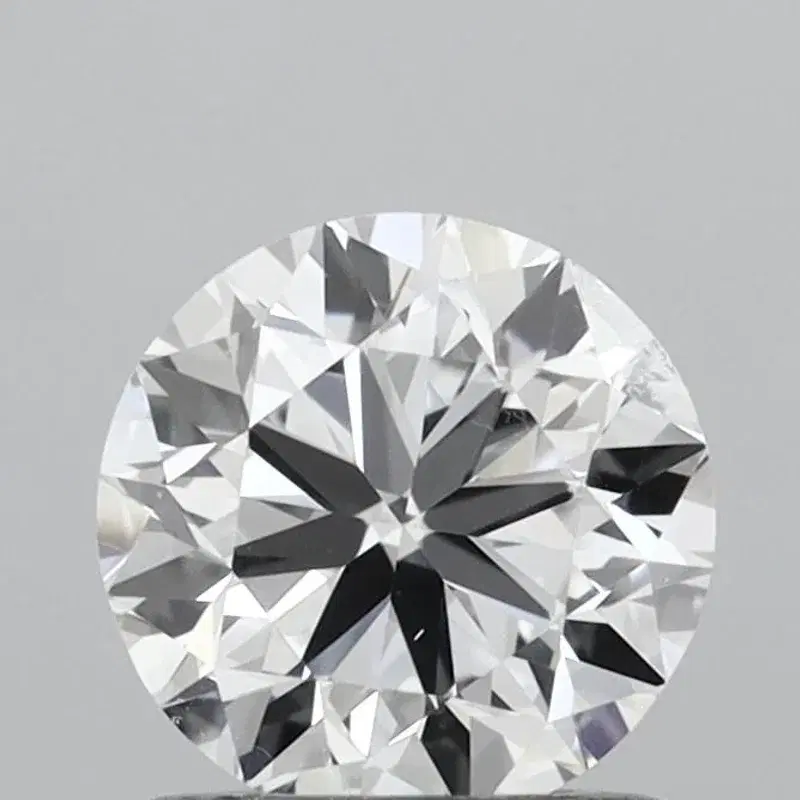
D
1ct · IGI
#808608700
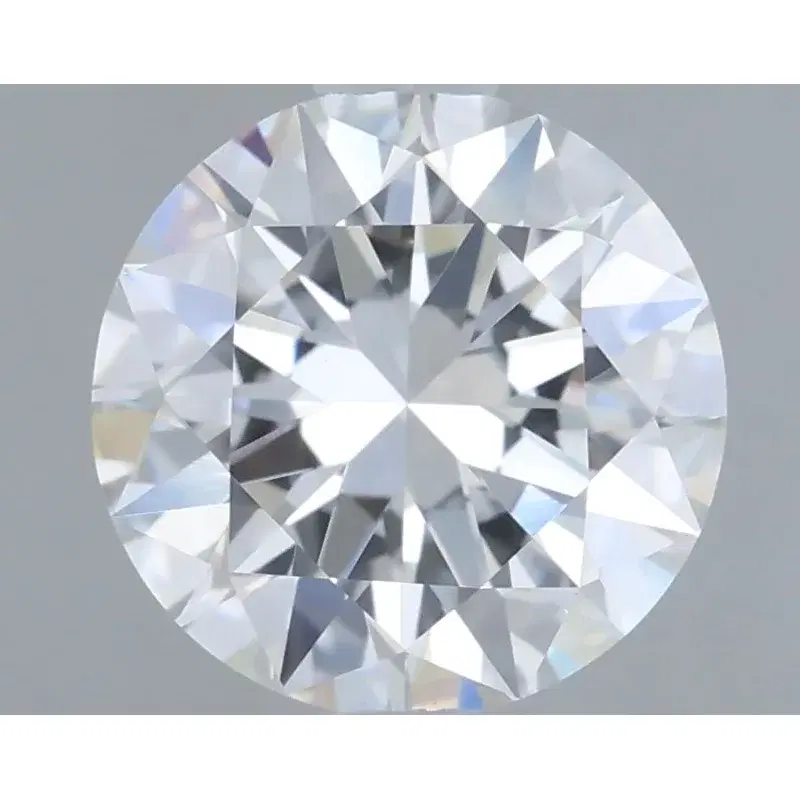
E
1ct · IGI
#814640621
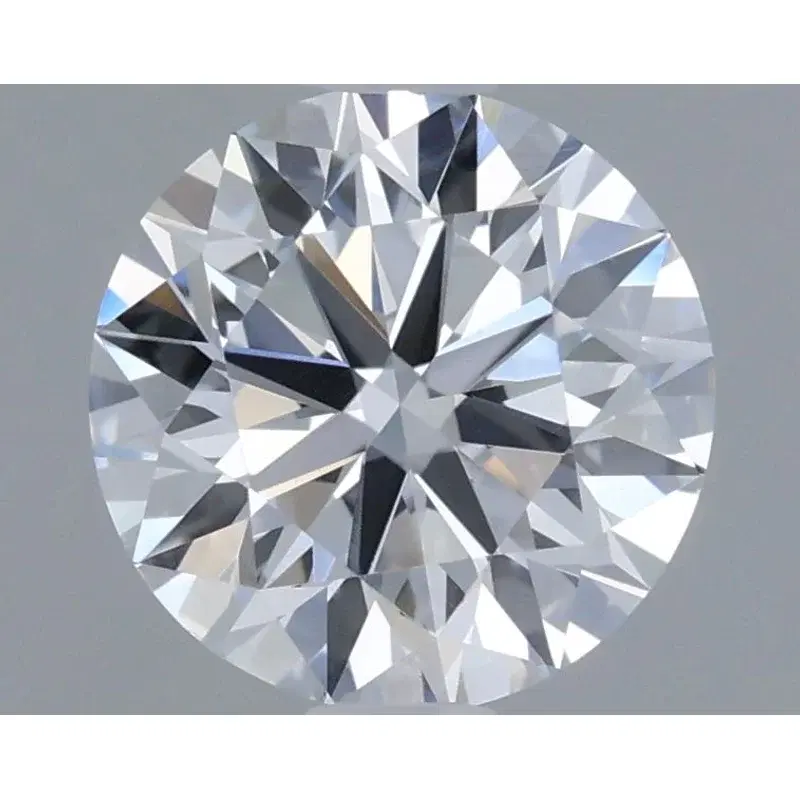
F
1ct · IGI
#793625698
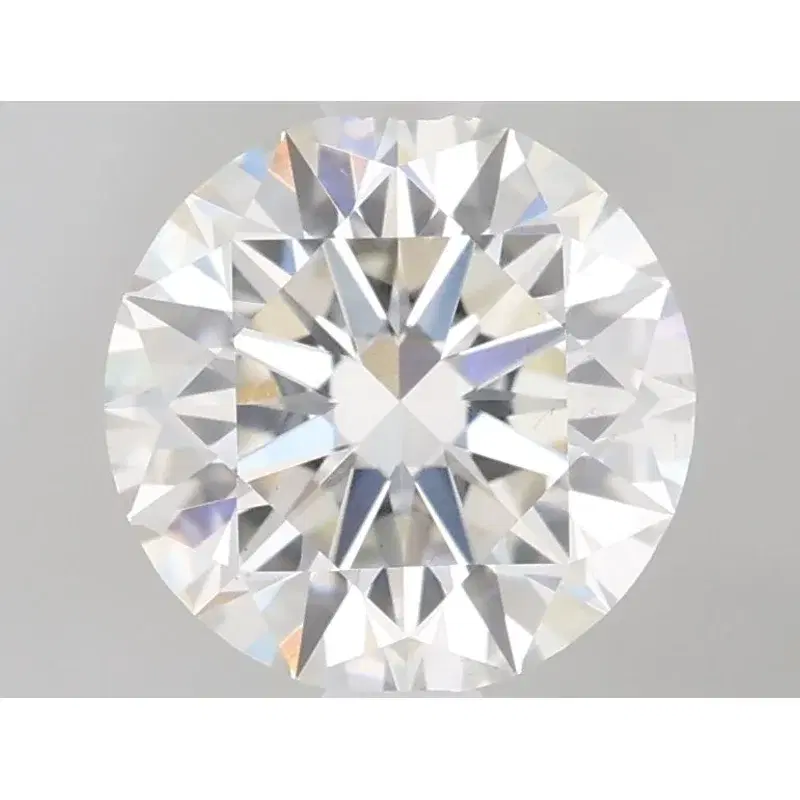
G
1.04ct · IGI
#801629201
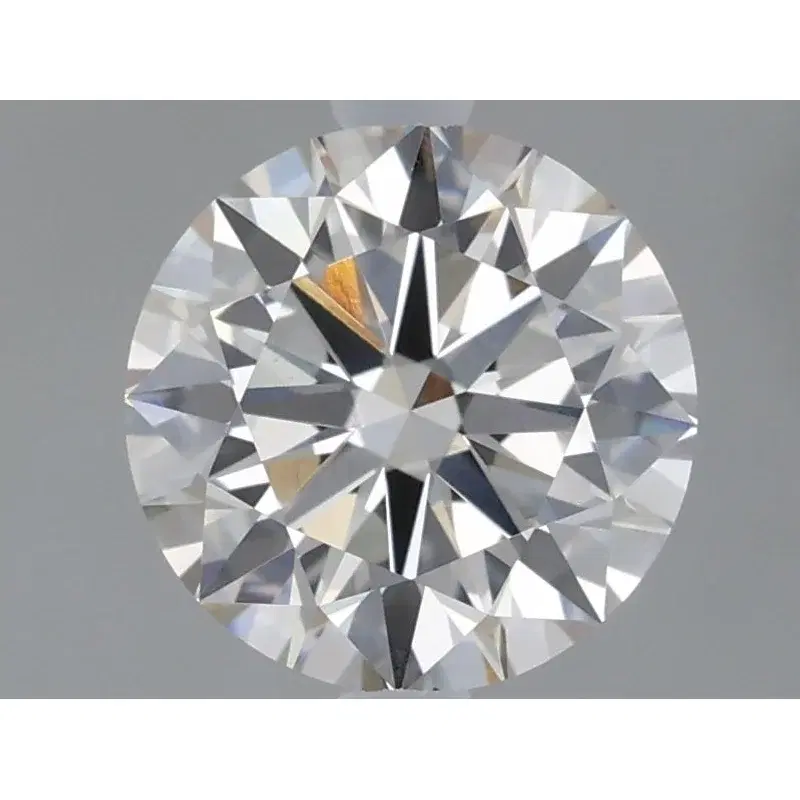
H
1.04ct · IGI
#811690212
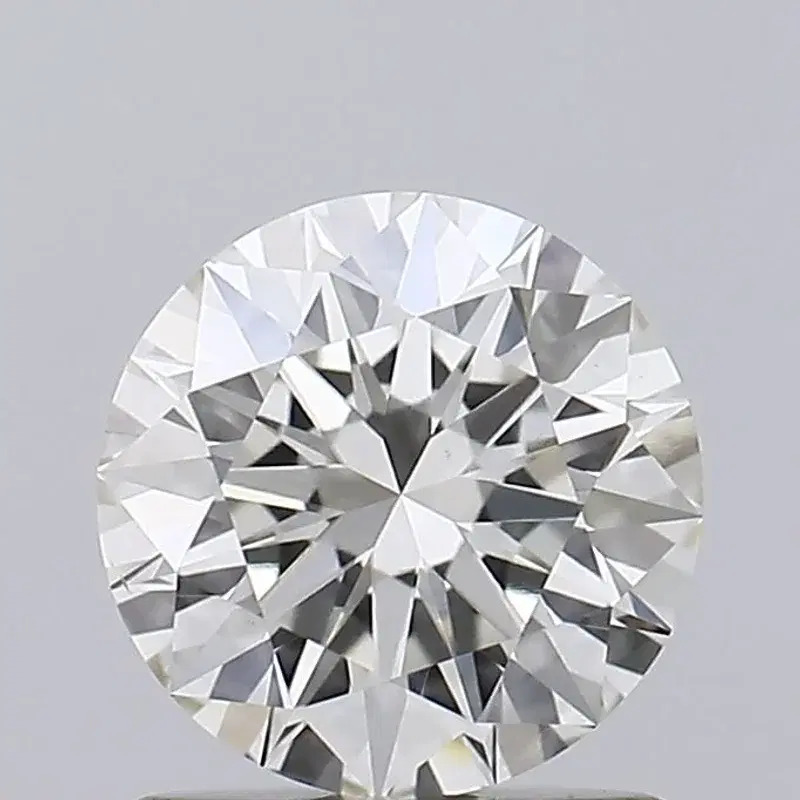
I
1.06ct · IGI
#808630744
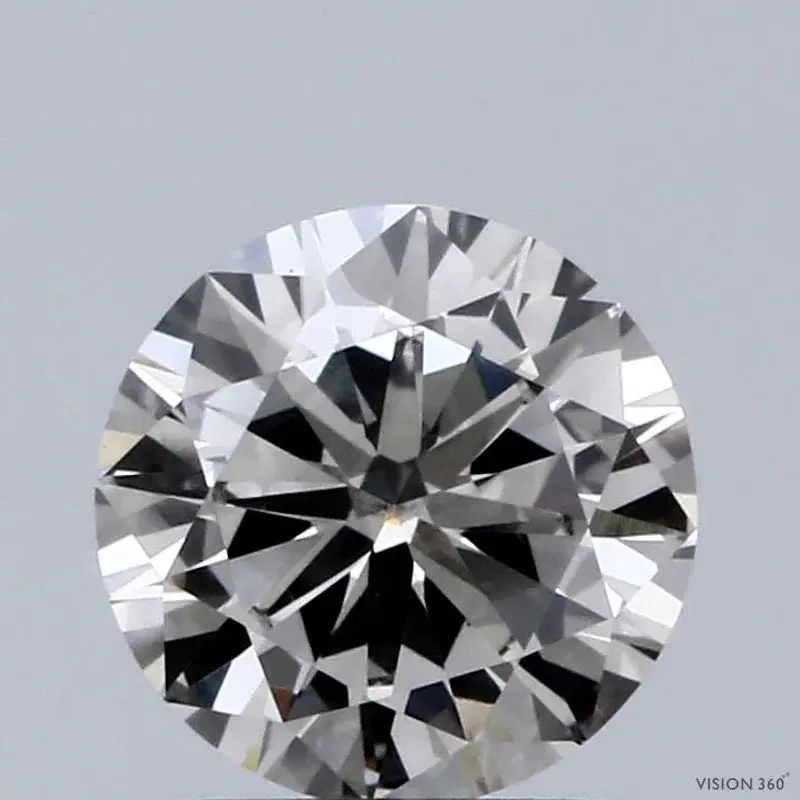
J
1ct · IGI
#782622002
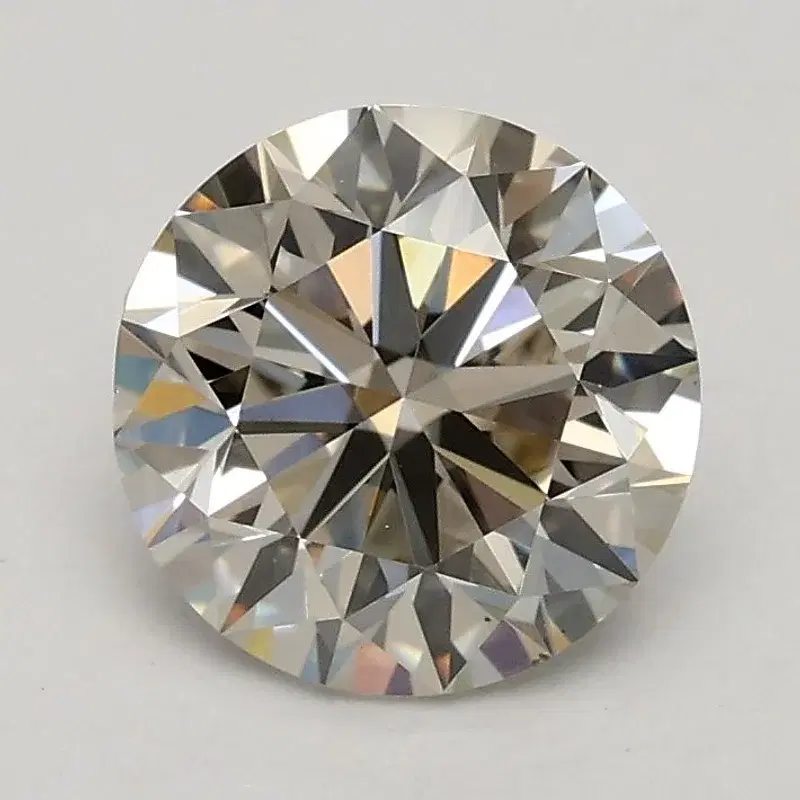
K
1ct · IGI
#499105205
The GIA Colour Scale
Compare every grade side by side — see how colour shifts from perfectly colourless (D) to a visible warm tint (M).
 D
D E
E F
FColourless
 G
G H
H I
I J
JNear Colourless
 K
K L
L M
MFaint
Colour Grade Reference
| Grade | Category | What You See | Price Impact |
|---|---|---|---|
| D | Colourless | Absolutely no colour — ice white under any light | Premium — rarest grade, ~20-30% more than G |
| E | Colourless | Virtually identical to D — only detectable by expert with master stones | Near-premium — ~15-25% more than G |
| F | Colourless | Minute trace of colour visible only under controlled lab conditions | ~10-15% more than G |
| G | Near Colourless | No visible tint face-up — the most popular grade for value | Sweet spot — excellent value, no visible compromise |
| H | Near Colourless | Barely perceptible warmth — indistinguishable from G when set in a ring | Best value — ~5-10% less than G |
| I | Near Colourless | Slight warmth visible to trained eye when compared side-by-side | ~15-20% less than G |
| J | Near Colourless | Faint yellow tint — more noticeable in larger stones and step cuts | ~20-30% less than G |
| K | Faint | Noticeable warmth — can look beautiful in yellow gold settings | ~40-50% less than G |
Best Colour for Your Budget
For most engagement rings, G or H colour offers the best balance of beauty and value. These grades appear colourless to the naked eye once set in a ring — the metal and setting mask any subtle warmth. Paying the premium for D-F colour is only worthwhile if colour perfection is important to you, or if you are choosing a large stone (2ct+) where colour becomes more visible.
Shape matters when choosing colour. Round brilliants hide colour exceptionally well due to their facet pattern — you can comfortably choose H or even I colour without any visible compromise. Step cuts like emerald and Asscher show colour more readily — for these shapes, consider G or above.
Metal colour also plays a role. White gold and platinum make any warmth in the diamond more apparent by contrast. Yellow gold and rose gold actually complement warmer diamond colours (I-K), making the diamond appear whiter than it is. If you are setting your diamond in yellow gold, you can save significantly by choosing I or J colour.
At MOH London, our Hatton Garden gemmologists can show you stones across the colour range side by side — the best way to decide which grade suits your eye and your budget. Book a free consultation to see the difference in person.
Frequently Asked Questions
What is the best diamond colour?
For most buyers, G colour offers the best combination of beauty and value. It is classified as "near colourless" on the GIA scale and appears completely white to the naked eye when set in a ring. D is the highest grade — perfectly colourless — but commands a 20-30% premium over G with no visible difference once the diamond is mounted in a setting. At MOH London, G and H colour diamonds account for over 60% of engagement ring orders. The savings from choosing G over D — typically £500-£1,500 on a 1 carat stone — can be redirected toward a better cut grade or a larger carat weight, both of which have a greater visual impact than the colour difference between D and G.
Does diamond colour affect sparkle?
No — colour and sparkle (brilliance) are independent qualities. A diamond's sparkle is determined entirely by its cut quality — the precision of its angles, proportions, symmetry, and polish — not its colour grade. A well-cut J colour diamond will sparkle significantly more than a poorly cut D colour diamond. That said, the colour of the sparkle itself does differ subtly: higher colour grades (D-G) produce a whiter, ice-like sparkle, while warmer grades (I-K) produce a slightly golden sparkle. Both are beautiful in different ways. If you want maximum sparkle regardless of colour, prioritise an Excellent or Ideal cut grade — this has a far greater impact on brilliance than moving up one or two colour grades.
What diamond colour is best for white gold or platinum?
For white metal settings — platinum, 18k white gold, or palladium — we recommend G or H colour. White metal creates a contrast that can make any warmth in the diamond more noticeable: a J colour stone that looks perfectly white in yellow gold may show a faint yellow tint when set in platinum. Going below I colour in a white metal setting may result in visible warmth that some buyers find distracting. For yellow gold and rose gold settings, I or J colour is perfectly acceptable and offers excellent value — the warm metal tone complements the diamond's slight warmth, effectively making the stone appear whiter than it is. Our Hatton Garden gemmologists can demonstrate this metal-colour interaction in person with stones across the colour range.
Can you see the difference between D and G colour?
Not once the diamond is set in a ring. In a controlled laboratory setting, a trained gemmologist can distinguish D from G by comparing them face-down on a pure white background against calibrated master stones under standardised lighting. But in real-world wear — on a hand, in natural light, viewed face-up — the difference is invisible to the naked eye. Even professional jewellers cannot reliably tell a D from a G in a mounted ring without removing the stone. This is precisely why G is the most popular colour grade worldwide: it delivers the same visual result as D at a significantly lower price. At MOH London, we encourage clients to see D, G, and H stones side by side at our Hatton Garden showroom — the in-person comparison is the most effective way to make a confident colour decision.
What is the most popular diamond colour for engagement rings?
G and H are the most popular colour grades for engagement rings at MOH London, together accounting for over 60% of all engagement ring orders. G offers the optimal sweet spot on the GIA scale: high enough to appear completely colourless to the naked eye when set in any metal, yet low enough to avoid the substantial premium of D-F grades. H colour is equally popular among value-conscious buyers — it sits just one grade below G and is virtually indistinguishable once mounted. For clients choosing yellow gold settings, I colour is also frequently selected because the warm metal tone masks any faint warmth in the stone, delivering excellent perceived value.
Is H colour diamond good?
H colour is excellent — it is classified as "near colourless" on the GIA scale and is virtually indistinguishable from G colour when set in jewellery. At MOH London, many clients choose H colour for engagement rings, particularly for round brilliant cuts which mask colour better than any other shape due to their facet pattern and light return. The savings compared to G colour — typically 5-10% on an equivalent stone, or £200-£600 on a 1 carat diamond — can be redirected toward a higher carat weight, a better cut grade, or a more intricate ring setting. H colour is especially effective in halo and pavé settings, where the surrounding smaller diamonds create a visual context that makes the centre stone appear even whiter.
Why does the diamond colour scale start at D?
Before the Gemological Institute of America (GIA) created its standardised colour grading scale in the 1950s, various informal systems existed that used A, B, and C grades with inconsistent and often contradictory definitions. A stone graded "A" by one dealer might be graded "B" by another, creating confusion in the trade. The GIA deliberately chose to start its new scale at D to make a clean break from all previous systems — ensuring that no one could confuse the new scientifically rigorous grades with the old arbitrary ones. The D-to-Z scale has since become the universal standard adopted by every major gemological laboratory worldwide, including IGI, HRD, and AGSL.
Put Your Knowledge Into Practice
Browse certified diamonds or engagement ring settings — apply what you've learned to find your perfect stone.